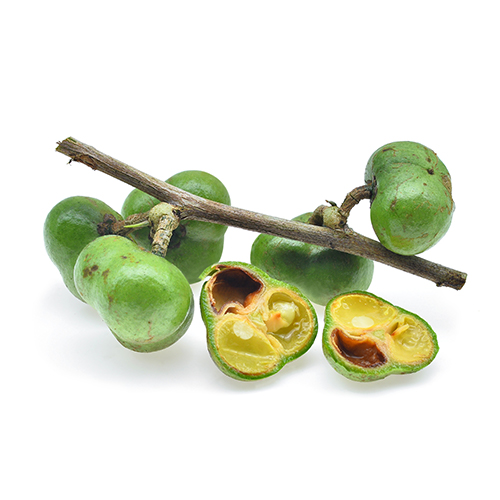
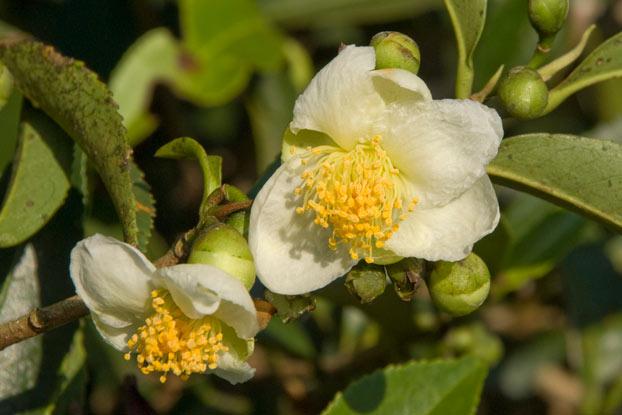
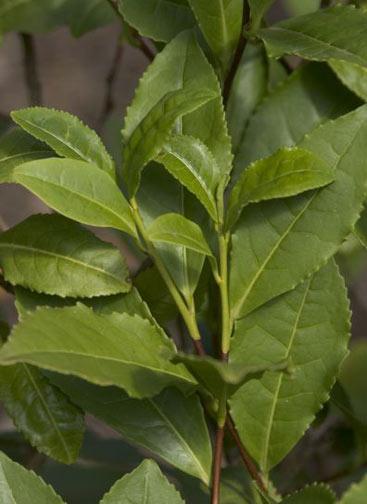
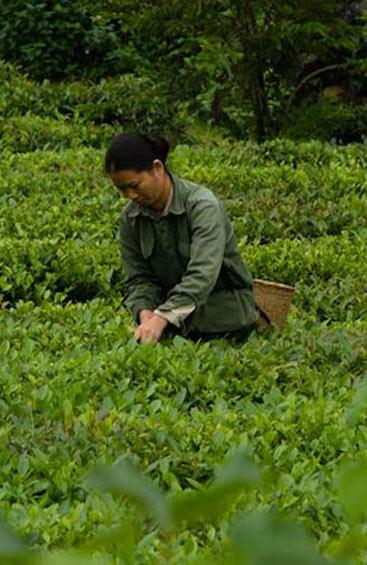
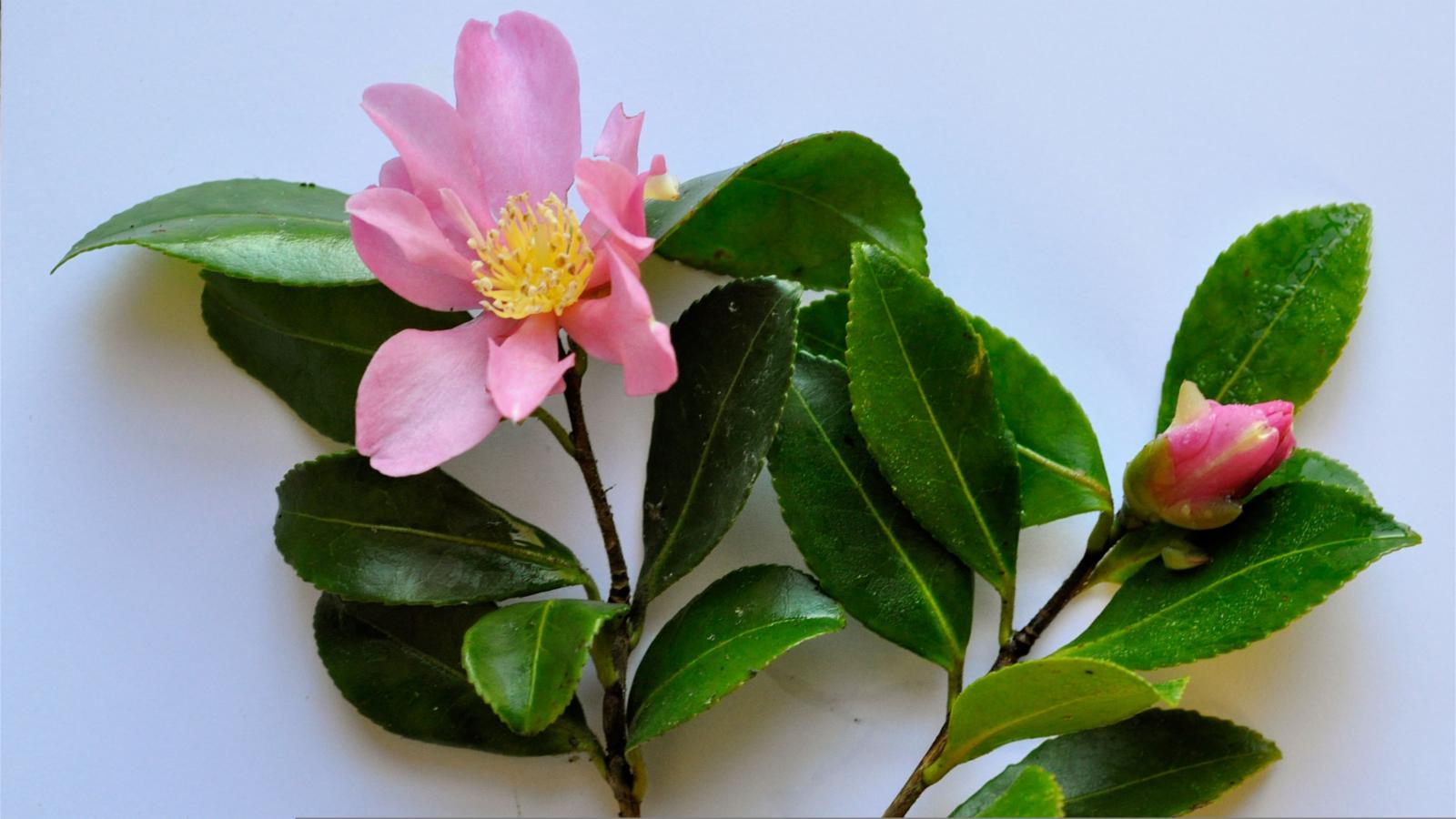
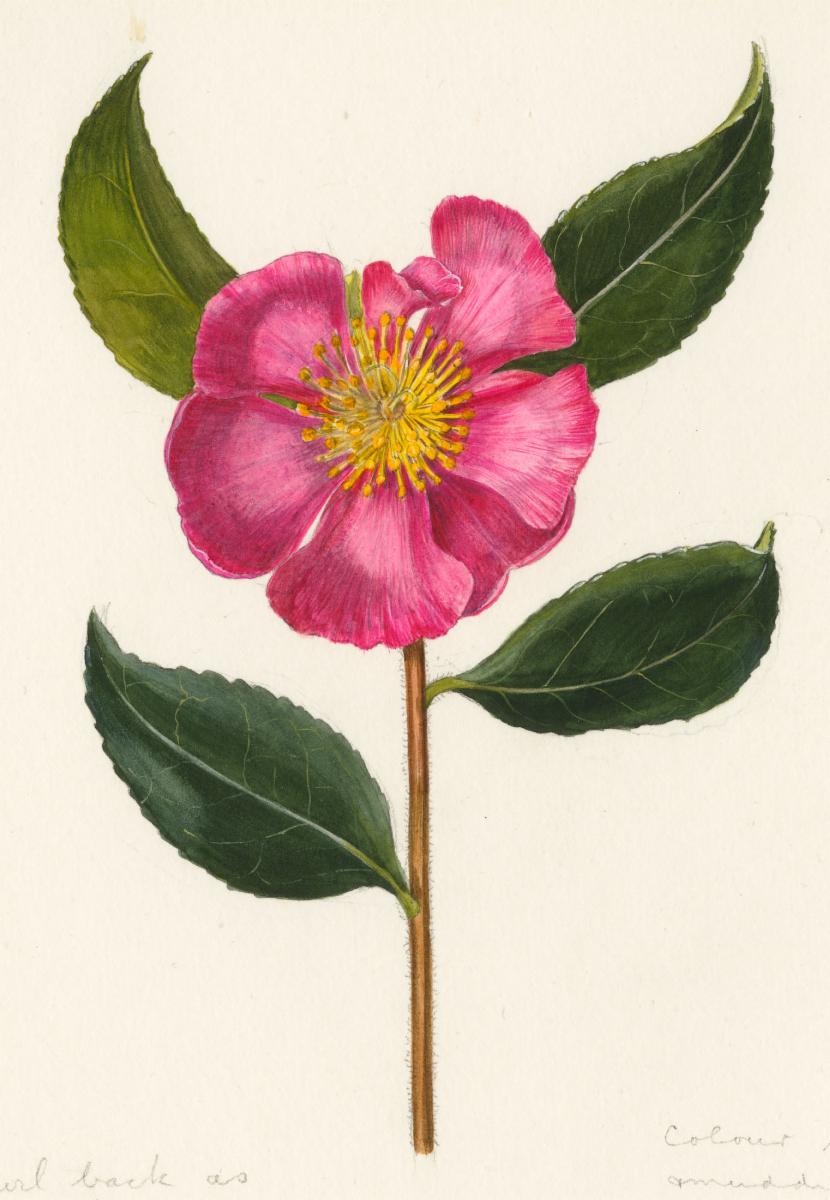
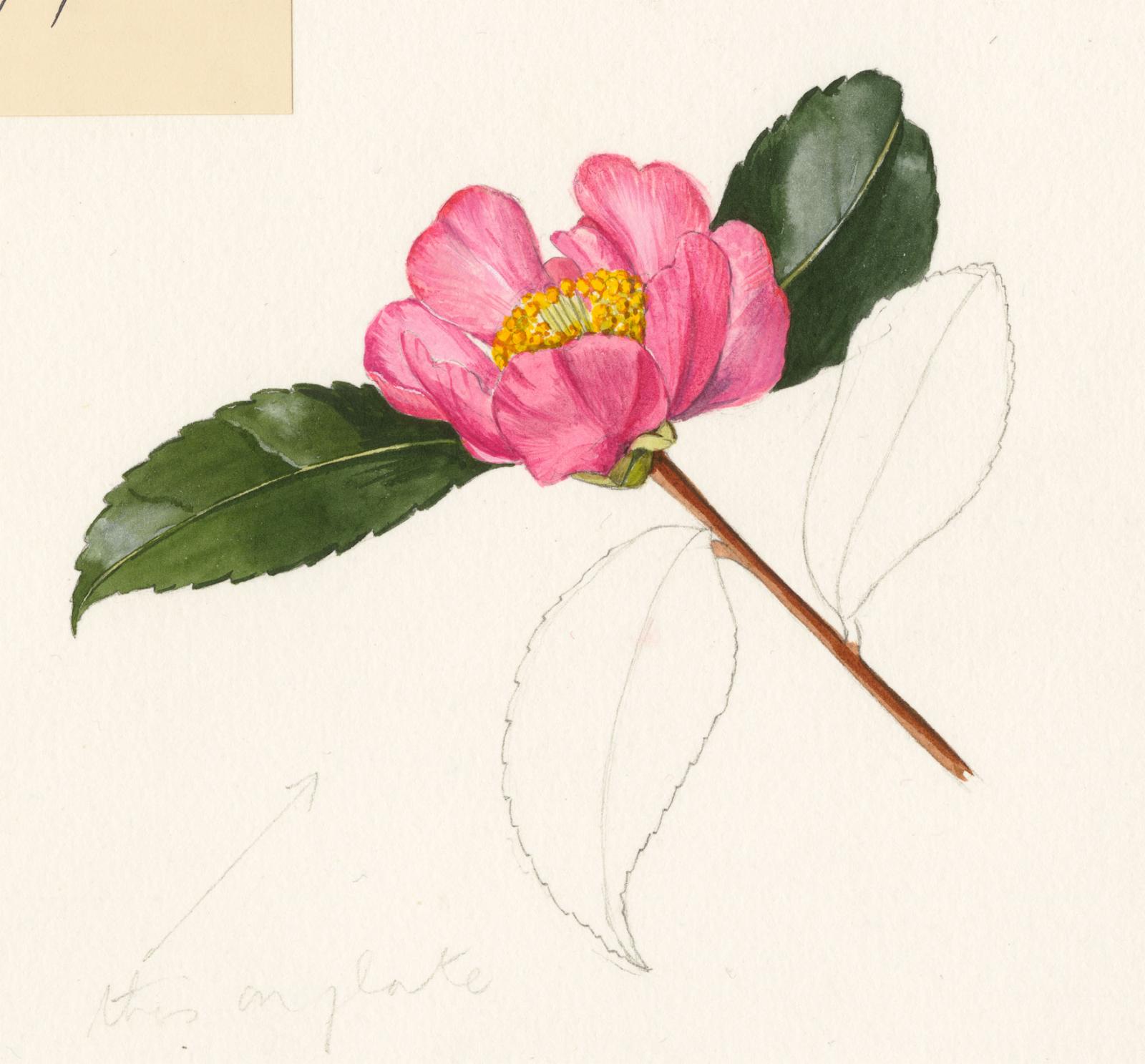
Camellia sinensis (White Tea) leaf extract
AKA “white tea leaf extract”
Extract
Ingredient Facts
Camellia sinensis (White Tea) leaf extract
AKA: White tea leaf extract
Extract · Antioxidant · EWG: 4
Plant-Derived
Sunscreen Filter
Antioxidant
Humectant
Emollient
Preservative
Astringent
Skin Conditioner
Barrier Support
Plant Oil
Extract
Not Clean
Camellia sinensis (white tea) leaf extract is a cosmetic ingredient used as antimicrobial, antioxidant, astringent.
Family
Theaceae (Tea family)
Plant Part
Leaf
Lifeform
Shrub or tree
Climate
Subtropical
CAS #
84650-60-2
Form
Liquid
See origin →
Functions
Antimicrobial
Keeps your product from growing bacteria, mold, or yeast. Without these, that jar of cream becomes a petri dish in about a week.
Antioxidant
Fights free radicals — the unstable molecules from UV, pollution, and stress that break down collagen and cause premature aging.
Astringent
Tightens and contracts skin tissue, temporarily shrinking pores and reducing oiliness. That "clean, tight" feeling after toner.
Emollient
Fills in the tiny cracks between skin cells to make everything feel smooth and soft. The "silky finish" ingredient.
Humectant
A moisture magnet. Pulls water from the air and deeper skin layers up to the surface to keep skin plump and hydrated.
Masking
Oral Care
Skin Conditioning
A catch-all term for ingredients that improve how skin looks and feels — softer, smoother, more supple. The workhorse behind most moisturizers.
Skin Protecting
Helps rebuild and strengthen your skin barrier — the invisible shield that keeps moisture in and irritants out. Essential after over-exfoliating or harsh weather.
Tonic
UV Absorber
Blocks or absorbs UV rays to protect your skin from sun damage, dark spots, and premature aging.
Nourishes & Protects
Locks In Moisture
Traditional Use
Tea has been used in Traditional Chinese Medicine for over 4,000 years. White tea specifically was valued in imperial Chinese skincare for its high antioxidant content and subtle flavor, and has become popular in modern cosmetics since the early 2000s.
Skin Types
●all-skin-types
Best For
Sun Damage
Pregnancy & Breastfeeding Safe
Yes
EWG
4
CIR
Safe
Pregnancy
Yes
CIR Safety Findings
Not a Sensitizer
all-shades-safe
Concentration Guide
Industry Max
Industry typically uses up to 0.1% in leave-on products (26 products reported). Source: CIR Safety Assessment (CIR Seq 658).
Regulatory Agencies
Verified Jun 2026
Data: Kew POWO · CosIng · EWG · CIR