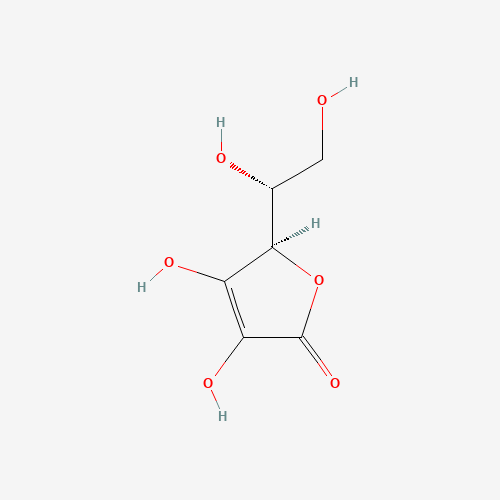
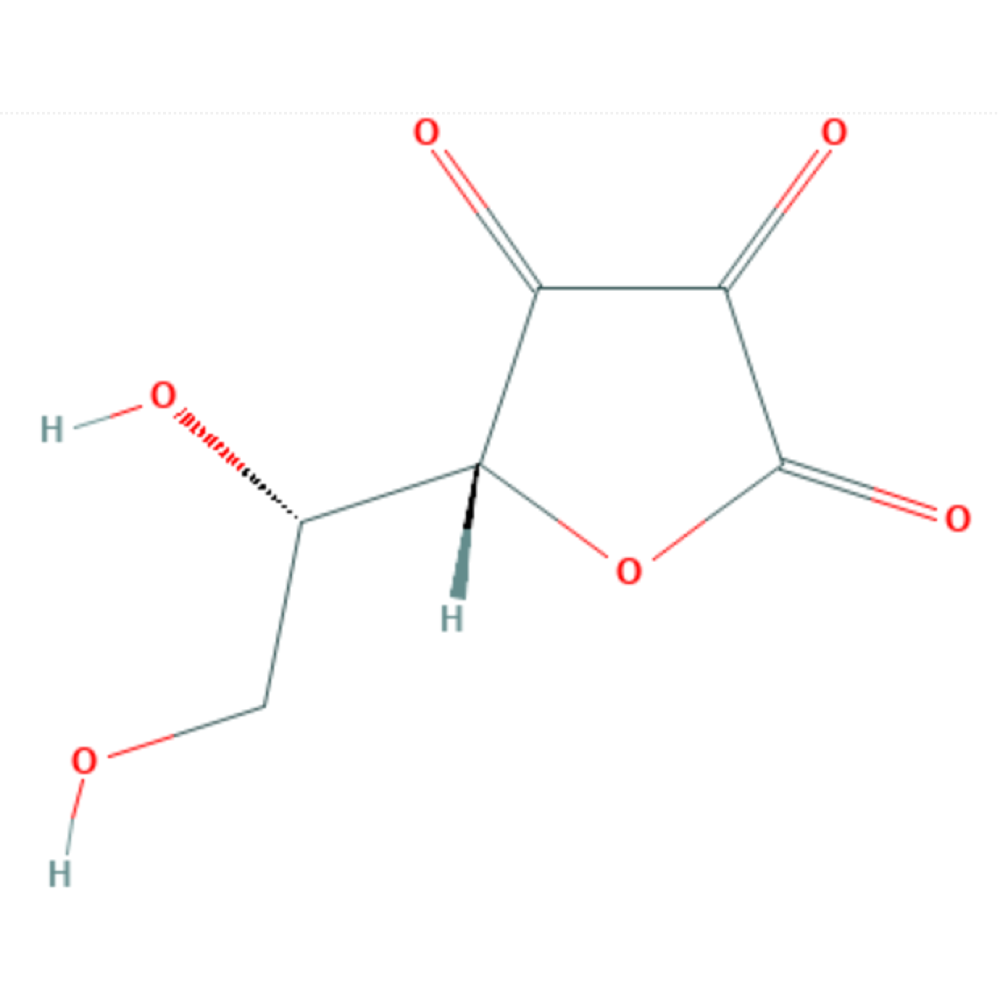

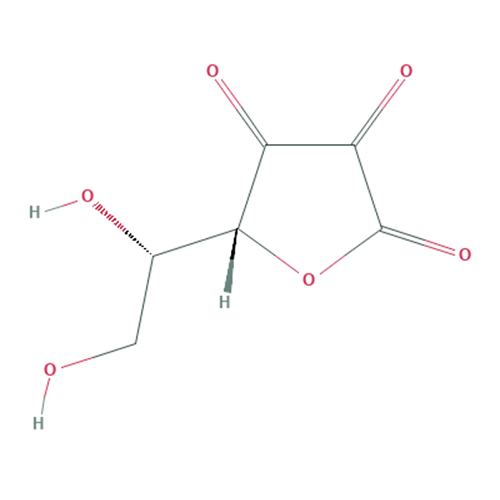
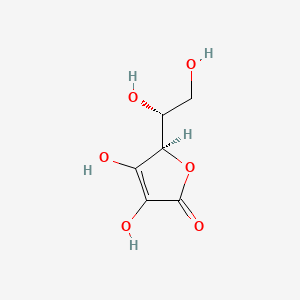
Erythorbic Acid
AKA “89-65-6, D-Araboascorbic acid, D-Isoascorbic acid, Isoascorbic acid, D-Erythorbic acid, Araboascorbic acid, Isovitamin C, Erycorbin, Glucosaccharonic acid”
Acid
Ingredient Facts
Erythorbic acid
AKA: 89-65-6, D-Araboascorbic acid, D-Isoascorbic acid, Isoascorbic acid, D-Erythorbic acid, Araboascorbic acid, Isovitamin C, Erycorbin, Glucosaccharonic acid
Acid · Antioxidant · EWG: 1
Synthetic
Antioxidant
Acid
Clean
2,3-Didehydro-D-erythro-hexono-1,4-lactone; D-erythro-hex-2-enonic acid, gamma-lactone
Solubility Soluble in alcohol, pyridine; moderately soluble in acetone; slightly soluble in glycerol
Formula
C6H8O6
Mol. Weight
176.12
CAS #
89-65-6
Form
Liquid
State
Other Solid; Dry Powder
See origin →
Functions
Antioxidant
Fights free radicals — the unstable molecules from UV, pollution, and stress that break down collagen and cause premature aging.
Neutralizes Free Radicals
Traditional Use
Synthesized in the 1930s as an isomer of ascorbic acid (vitamin C). Developed primarily as an antioxidant preservative in foods and cosmetics, with less antioxidant skin benefit than L-ascorbic acid.
Skin Types
●all-skin-types
Best For
Sun Damage
Pregnancy & Breastfeeding Safe
Yes
Erythorbic Acid and Sodium Erythorbate
Cosmetic Ingredient Review (CIR) Expert Panel
International Journal of Toxicology
Final Report on the Safety Assessment of Ascorbyl Palmitate, Ascorbyl Dipalmitate, Ascorbyl Stearate, Erythorbic Acid, and Sodium Erythorbate
Cosmetic Ingredient Review (CIR) Expert Panel
International Journal of Toxicology
Erythorbic Acid
European Commission
EU Cosmetic Ingredient Database (CosIng)
Erythorbic Acid
Environmental Working Group (EWG)
EWG Skin Deep Cosmetics Database
Erythorbic Acid and Sodium Erythorbate.
Raj PS, Bergfeld WF, Belsito DV, Cohen DE, Klaassen CD et al.
International journal of toxicology, 2023
Erythorbic Acid and Sodium Erythorbate.
Raj PS, Bergfeld WF, Belsito DV, Cohen DE, Klaassen CD et al.
International journal of toxicology, 2023
Verified Jun 2026
Data: PubChem · CosIng · EWG · CIR