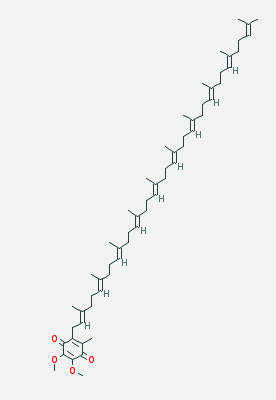
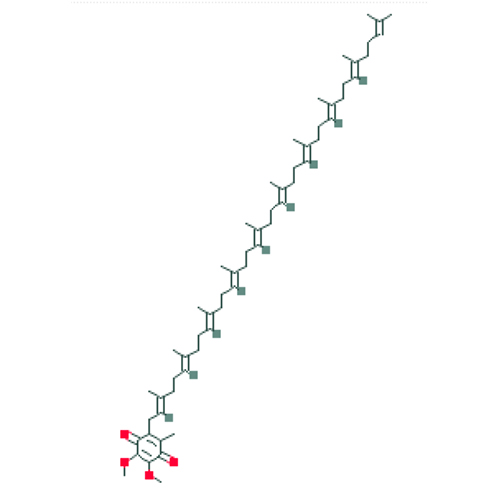
Disodium Ubiquinone
AKA “Ubiquinone disodium salt, coenzyme Q10 disodium”
Humectant
Ingredient Facts
Disodium ubiquinone
AKA: Ubiquinone disodium salt, Coenzyme Q10 disodium
Humectant · Antioxidant · EWG: 4
Synthetic
Antioxidant
Humectant
Skin Conditioner
Barrier Support
Hair Care
Not Clean
Disodium Ubiquinone is the disodium salt of Ubiquinone (q.v.)
CAS #
303-98-0; 992-78-9
Form
Liquid
See origin →
Functions
Antioxidant
Fights free radicals — the unstable molecules from UV, pollution, and stress that break down collagen and cause premature aging.
Hair Conditioning
A catch-all term for ingredients that improve how skin looks and feels — softer, smoother, more supple. The workhorse behind most moisturizers.
Humectant
A moisture magnet. Pulls water from the air and deeper skin layers up to the surface to keep skin plump and hydrated.
Skin Conditioning
A catch-all term for ingredients that improve how skin looks and feels — softer, smoother, more supple. The workhorse behind most moisturizers.
Skin Protecting
Helps rebuild and strengthen your skin barrier — the invisible shield that keeps moisture in and irritants out. Essential after over-exfoliating or harsh weather.
Nourishes & Protects
Locks In Moisture
Traditional Use
Ubiquinone (Coenzyme Q10) was discovered in 1957 in mitochondria. It gained popularity in skincare during the 1990s after research suggested its antioxidant properties could support cellular energy production and reduce wrinkles, though traditional use in cosmetics is minimal.
Skin Types
●all-skin-types
Best For
Anti-Aging
Pregnancy & Breastfeeding Safe
Yes
Verified Jun 2026
Data: CosIng · EWG · CIR