Hydrogenated Lecithin
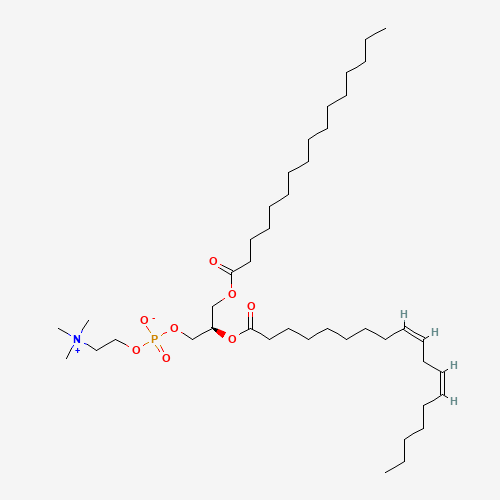
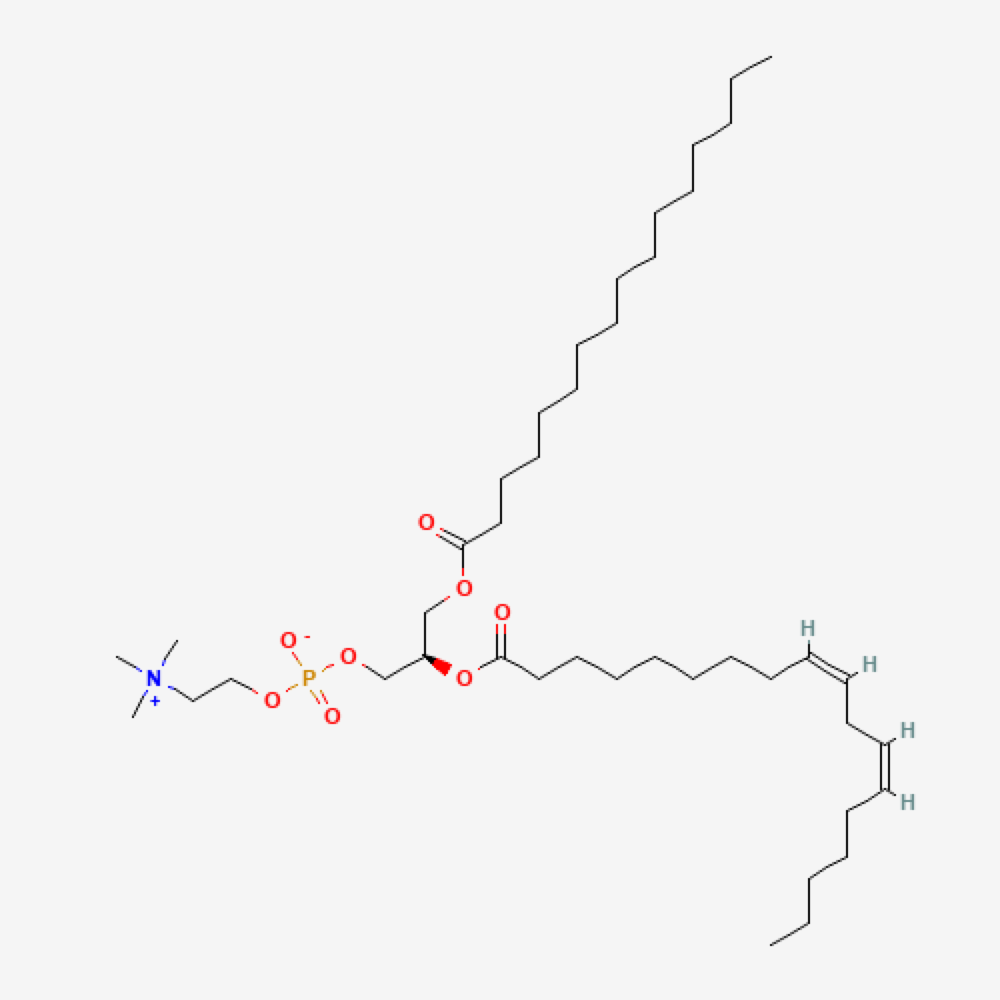
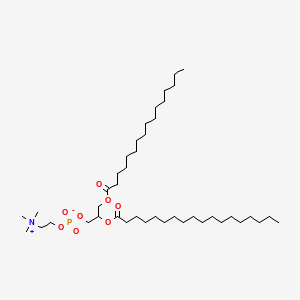
AKA “RefChem:1094332, PC 34:0; PC 16:0_18:0;, 92128-87-5, HSPC, EINECS 295-786-7, (3-hexadecanoyloxy-2-octadecanoyloxypropyl) 2-(trimethylazaniumyl)ethyl phosphate, SCHEMBL29455291, Phosphatidylcholine 16:0-18:0, PZNPLUBHRSSFHT-UHFFFAOYSA-N, DTXSID201018672”
Surfactant
Ingredient Facts
Hydrogenated lecithin
AKA: RefChem:1094332, PC 34:0; PC 16:0_18:0;, 92128-87-5, HSPC, EINECS 295-786-7, (3-hexadecanoyloxy-2-octadecanoyloxypropyl) 2-(trimethylazaniumyl)ethyl phosphate, SCHEMBL29455291, Phosphatidylcholine 16:0-18:0, PZNPLUBHRSSFHT-UHFFFAOYSA-N, DTXSID201018672
Surfactant · Emulsifying · EWG: 2
Synthetic
Cleanser
Emulsifier
Skin Conditioner
Plant Oil
Barrier Lipid
Clean
See also: Lecithins, hydrogenated (annotation moved to).
Formula
C42H84NO8P
Mol. Weight
762.10
CAS #
92128-87-5
Form
Powder
See origin →
Functions
Skin Conditioning
A catch-all term for ingredients that improve how skin looks and feels — softer, smoother, more supple. The workhorse behind most moisturizers.
Emulsifying
Forces oil and water to stay mixed instead of separating into layers. The unsung hero holding your lotion together.
Locks in moisture
Traditional Use
Lecithin is derived from soybeans or egg yolks and has been used as an emulsifier since the late 1800s. Hydrogenation (a 20th-century process) was applied to improve stability and shelf-life in cosmetic formulations.
Skin Types
●all-skin-types, gentle
Best For
General
Pregnancy & Breastfeeding Safe
Yes
Hydrating Cold Cream Cleanser
Alpyn Beauty
Barrier Repair Cream
Alpyn Beauty
Instant Bright Eye
Alpyn Beauty
Mini Barrier Repair Cream
Alpyn Beauty
peptide fine line eye gel
Cocokind
calm & clarify duo
Cocokind
rise + shine trio
Cocokind
ceramide hydration duo
Cocokind
retinol face + body duo
Cocokind
youthful duo
Cocokind
milky-soft face and body cleanser
Cocokind
Radiance Boosting Starter Set
Goldfaden MD
Radiance Whip
Goldfaden MD
Fade Forward™ Serum
Pai Skincare
Gentle Genius™ Barrier Care Rapid Rescue Hand Cream
Pai Skincare
Gentle Genius™ Barrier Care Wet Skin Moisturizer
Pai Skincare
Easy Calm, Easy Glow Gift Set
Pai Skincare
Sunlit Essentials Set
Indie Lee
Tulip Dew Sunscreen Serum
Bloom Effects
Royal Tulip Vitamin C Facial Oil
Bloom Effects
Tulipscreen™ Hydrating Lip Oil
Bloom Effects
Radiance Reset
Bloom Effects
Royal Tulip Hydrating Bi-Phase Tonic
Bloom Effects
Everyday Radiance Essentials
Bloom Effects
The Lip Balm Duo
Nécessaire
The Hand-Lip Moisture Duo
Nécessaire
The Hand Duo
Nécessaire
The New Tendency Duo
Nécessaire
The New Tendency Complete Set
Nécessaire
The Hand Cream + The Tube Key
Nécessaire
The Body Duo
Nécessaire
The Body Brush
Nécessaire
Fortifying Gel Moisturizer
Ursa Major
Forest Alchemy Eye Cream
Ursa Major
Brighten Up Vitamin C Serum
Ursa Major
Alpine Rich Cream
Ursa Major
Phyto-Retinol Clinical Serum
True Botanicals
Advanced Protection Cream
OSEA
Advanced Protection Cream - 0.25 oz
OSEA
Daily SPF 50 Primer
Indie Lee
Supernatural Radiance Serum Broad Spectrum SPF 30 Sunscreen
RMS Beauty
SunCoverup Super Tint Broad Spectrum SPF 50 Sunscreen
RMS Beauty
Glow I.V.
Kosas
True Skin Radiant Priming Serum
ILIA Beauty
Blue Light Mist
ILIA Beauty
Barrier Build Skin Protectant Cream
ILIA Beauty
The Neutrals Eye Essentials Palette
MOB Beauty
SunCoverup Super Tint SPF 50
RMS Beauty
True Skin Serum Concealer
ILIA Beauty
True Skin Serum Foundation
ILIA Beauty
Final Report on the Safety Assessment of Lecithin and Hydrogenated Lecithin
Cosmetic Ingredient Review (CIR) Expert Panel
International Journal of Toxicology
Hydrogenated Lecithin
European Commission
EU Cosmetic Ingredient Database (CosIng)
Hydrogenated Lecithin
Environmental Working Group (EWG)
EWG Skin Deep Cosmetics Database
Final report on the safety assessment of Lecithin and Hydrogenated Lecithin.
Fiume Z
International journal of toxicology, 2001
Verified Jun 2026
Data: PubChem · CosIng · EWG · CIR