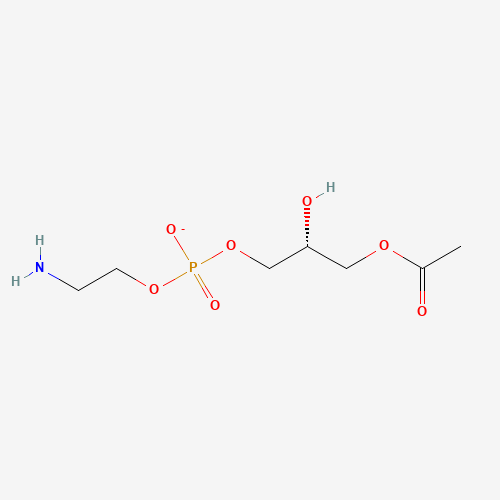
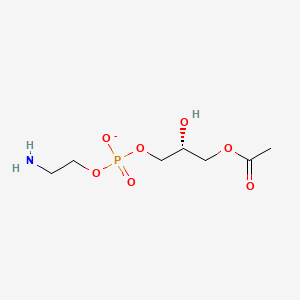
Lysophosphatidylethanolamine
AKA “monoacylglycerophosphoethanolamine, lysophosphatidyl ethanolamine, ((2R)-3-acetyloxy-2-hydroxypropyl) 2-aminoethyl phosphate, [(2R)-3-acetyloxy-2-hydroxypropyl] 2-aminoethyl phosphate, lyso-phosphatidyl ethanolamine, RefChem:154787, GTPL5652
Synthetic
Ingredient Facts
Lysophosphatidylethanolamine
AKA: Monoacylglycerophosphoethanolamine, Lysophosphatidyl ethanolamine, ((2R)-3-acetyloxy-2-hydroxypropyl) 2-aminoethyl phosphate, [(2R)-3-acetyloxy-2-hydroxypropyl] 2-aminoethyl phosphate, Lyso-phosphatidyl ethanolamine, RefChem:154787, GTPL5652
Synthetic · Emollient · EWG: 4
Synthetic
Emollient
Skin Conditioner
Barrier Lipid
Synthetic
Clean
A skin-conditioning compound that helps soften and smooth skin texture while supporting the skin barrier.
Formula
C7H15NO7P-
Mol. Weight
256.17
Form
Liquid
See origin →
Functions
Skin Conditioning
A catch-all term for ingredients that improve how skin looks and feels — softer, smoother, more supple. The workhorse behind most moisturizers.
Emollient
Fills in the tiny cracks between skin cells to make everything feel smooth and soft. The "silky finish" ingredient.
Moisturising
Locks in moisture
Traditional Use
A synthetic phospholipid developed in modern cosmetic chemistry as a conditioning and skin-binding agent. No traditional or historical use prior to 20th-century cosmetic formulation.
Skin Types
all-skin-types
Best For
Dryness
Melanin-Rich Skin
Suitable
Pregnancy & Breastfeeding Safe
Yes
EWG
4
CIR
Insufficient
Pregnancy
Yes
CIR Safety Findings
Not a Sensitizer
medical-approval
all-shades-safe
Regulatory Status
USAunder review
EUpermitted
JAPANpermitted
CANADApermitted
Verified Feb 2026
Data: PubChem · CosIng · EWG · CIR