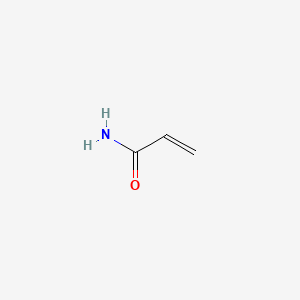
Polyacrylamide
AKA “PAM, Acrylamide Homopolymer”
Ingredient
Ingredient Facts
Polyacrylamide
AKA: PAM, Acrylamide Homopolymer
Ingredient · Film Forming · EWG: 6
Synthetic
Occlusive
Not Clean
2-Propenamide, homopolymer
Effective at 3.9%
CAS #
9003-05-8
Form
Liquid
See origin →
Functions
Antistatic
Binding
Film Forming
Creates a physical seal on skin to lock moisture in and keep irritants out. The "slugging" ingredient — barrier protection.
Moisturizing
Wound Healing
Strengthens Barrier
Creates protective layer
Reduces flyaways
Holds ingredients together
Traditional Use
Developed in the 1950s as a synthetic polymer for industrial water treatment. Adopted by the cosmetics industry in the 1970s as a thickening and film-forming agent in gels and creams.
Skin Types
●all-skin-types
Best For
General
Pregnancy & Breastfeeding Safe
Caution
EWG
6
CIR
Safe as used
Pregnancy
Caution
CIR Safety Findings
Not an Irritant
medical-approval
all-shades-safe
Concentration Guide
2.8%
5.0%
0%7%
Effective Range
CIR reported use: .03-3 | .05-2.8
Regulatory Agencies
Amended Final Report on the Safety Assessment of Polyacrylamide and Acrylamide Residues in Cosmetics
Cosmetic Ingredient Review (CIR) Expert Panel
International Journal of Toxicology
Final Report on the Safety Assessment of Polyacrylamide
Cosmetic Ingredient Review (CIR) Expert Panel
International Journal of Toxicology
Polyacrylamide
Cosmetic Ingredient Review (CIR) Expert Panel
International Journal of Toxicology
Polyacrylamide
European Commission
EU Cosmetic Ingredient Database (CosIng)
Polyacrylamide
Environmental Working Group (EWG)
EWG Skin Deep Cosmetics Database
Contact dermatitis caused by polyacrylamide/C13-4 isoparaffin/laureth-7 mix in an emollient cream for atopic skin.
Jaulent C, Dereure O, Raison-Peyron N
Contact dermatitis, 2019
Polyacrylamide.
Raj PS, Bergfeld WF, Belsito DV, Cohen DE, Klaassen CD et al.
International journal of toxicology, 2023
Verified Jun 2026
Data: CosIng · EWG · CIR