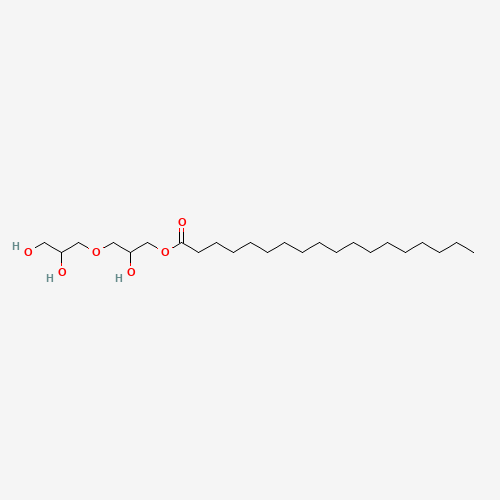
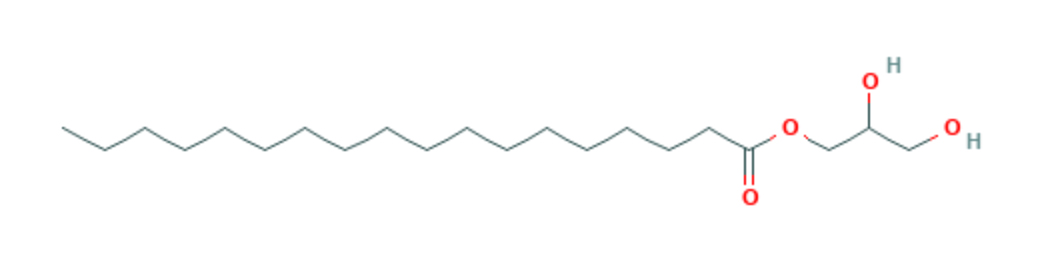
Polyglyceryl-10 Stearate
AKA “3-(2, 3-Dihydroxypropoxy)-2-hydroxypropyl stearate, 66168-54-5, DTXSID10984645, 3-DIHYDROXYPROPOXY)-2-HYDROXYPROPYL OCTADECANOATE, RefChem:1066423, DTXCID501411857, 266-209-6, 79777-30-3, [3-(2, 3-dihydroxypropoxy)-2-hydroxypropyl] octadecanoate, Diglyceryl stearate”
Skin Conditioning
Ingredient Facts
Polyglyceryl-10 stearate
AKA: 3-(2, 3-Dihydroxypropoxy)-2-hydroxypropyl stearate, 66168-54-5, DTXSID10984645, 3-DIHYDROXYPROPOXY)-2-HYDROXYPROPYL OCTADECANOATE, RefChem:1066423, DTXCID501411857, 266-209-6, 79777-30-3, [3-(2, 3-dihydroxypropoxy)-2-hydroxypropyl] octadecanoate, Diglyceryl stearate
Skin Conditioning · Skin Conditioning · EWG: 1
Plant-Derived
Skin Conditioner
Plant Oil
Clean
1,2,3-Propanetriol, homopolymer, octadecanoates (1:1) (10 mol glycerol average molar ratio)
Formula
C24H48O6
Mol. Weight
432.60
CAS #
79777-30-3
Form
Liquid
See origin →
Functions
Skin Conditioning
A catch-all term for ingredients that improve how skin looks and feels — softer, smoother, more supple. The workhorse behind most moisturizers.
Locks in moisture
Traditional Use
Developed in the mid-20th century as a synthetic polyglyceryl ester emulsifier derived from glycerin and stearic acid. Used in cosmetics to stabilize oil and water mixtures without the inconsistency of traditional plant-based emulsifiers.
Skin Types
●all-skin-types
Best For
General
Pregnancy & Breastfeeding Safe
Yes
Clean-ical Formulations AM + PM Serum Duo
Odacité
Derm-Restore Super Serum • Edelweiss Extrême® • Peptides + Carnosine
Odacité
Edelweiss Extrême® • Repair + Restore Set
Odacité
Sun Defense Performance Duo • SPF 50 + Super Serum
Odacité
Anti-aging Dream Duo • SPF 50 + Retinol
Odacité
Edelweiss Extrême® Skin Barrier Set
Odacité
Age-Defying Fundamentals
Odacité
Day & Night Eye Care Duo
Odacité
Sun Damage Defense Duo • SPF 50 + Vitamin C
Odacité
Anti Aging Eye & Sun Defense Duo
Odacité
SPF 50 Color Balm Duo
Odacité
SPF 50 Tinted Sunscreen & Color Balm Duo
Odacité
Royal Tulip Moisturizing Nectar
Bloom Effects
The Body Duo
Nécessaire
The Body Brush
Nécessaire
Verified Jun 2026
Data: PubChem · CosIng · EWG · CIR