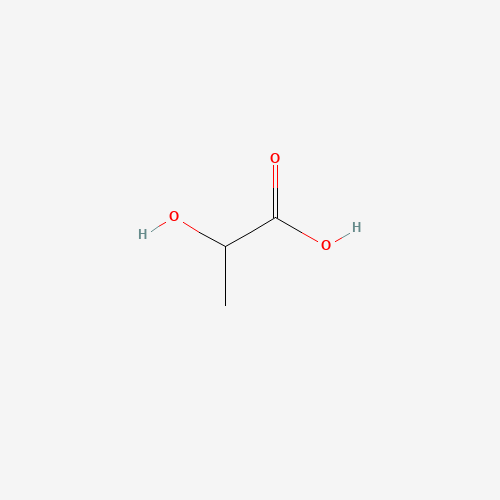
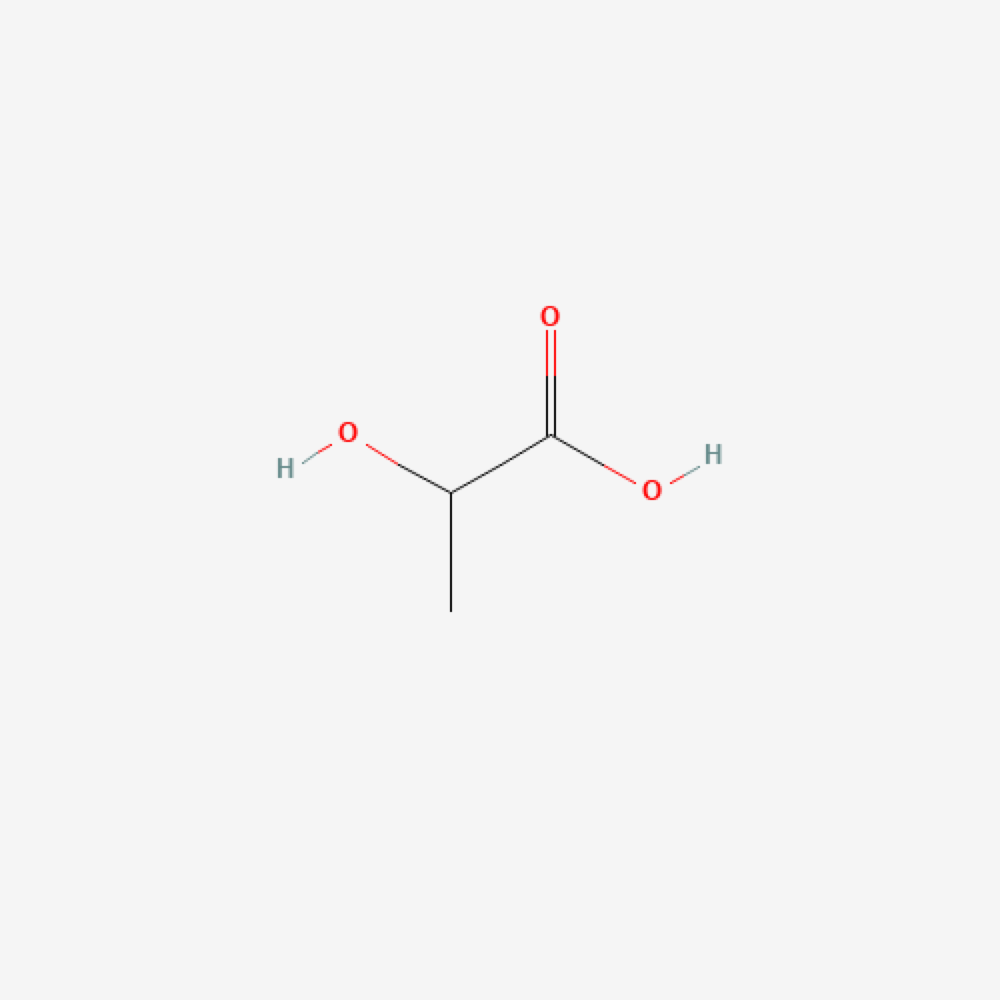
Polylactic Acid
AKA “Polylactic Acid”
Acid
Ingredient Facts
Polylactic acid
Acid · Abrasive · EWG: 1
Plant-Derived Synthetic
Chemical Exfoliant
Acid
Clean
Polymer of lactic acid
CAS #
9051-89-2
Form
Liquid
See origin →
Functions
Abrasive
Supports cell turnover
Draws water to skin
Smooths skin texture
Traditional Use
Developed in the 1980s-1990s as a biodegradable polymer derived from corn or sugarcane fermentation. Used in modern skincare as a gentle exfoliant and in anti-aging products to stimulate collagen production.
Skin Types
●all-skin-types, gentle
Best For
Uneven Texture
Pregnancy & Breastfeeding Safe
Yes
Nano, micro particulate and cosmetic delivery systems of polylactic acid: A mini review.
Abu Hajleh MN, Al-Samydai A, Al-Dujaili EAS
Journal of cosmetic dermatology, 2020
Final Report: Safety Assessment of Polyhydroxystearic Acid, Poly(3-Hydroxyoctanoic Acid, and Polylactic Acid as Used in Cosmetics
Cosmetic Ingredient Review (CIR) Expert Panel
International Journal of Toxicology
Polylactic Acid
European Commission
EU Cosmetic Ingredient Database (CosIng)
Polylactic Acid
Environmental Working Group (EWG)
EWG Skin Deep Cosmetics Database
Lavandula stoechas extract incorporated polylactic acid nanofibrous mats as an antibacterial and cytocompatible wound dressing.
Mutlu B, Çiftçi F, Üstündağ CB, Çakır-Koç R
International journal of biological macromolecules, 2023
Polylactic acid/tapioca starch/banana peel-based material for colorimetric and electrochemical biosensing applications.
Rai P, Mehrotra S, Gautam K, Kar AK, Saxena A et al.
Carbohydrate polymers, 2023
Verified Jun 2026
Data: CosIng · EWG · CIR