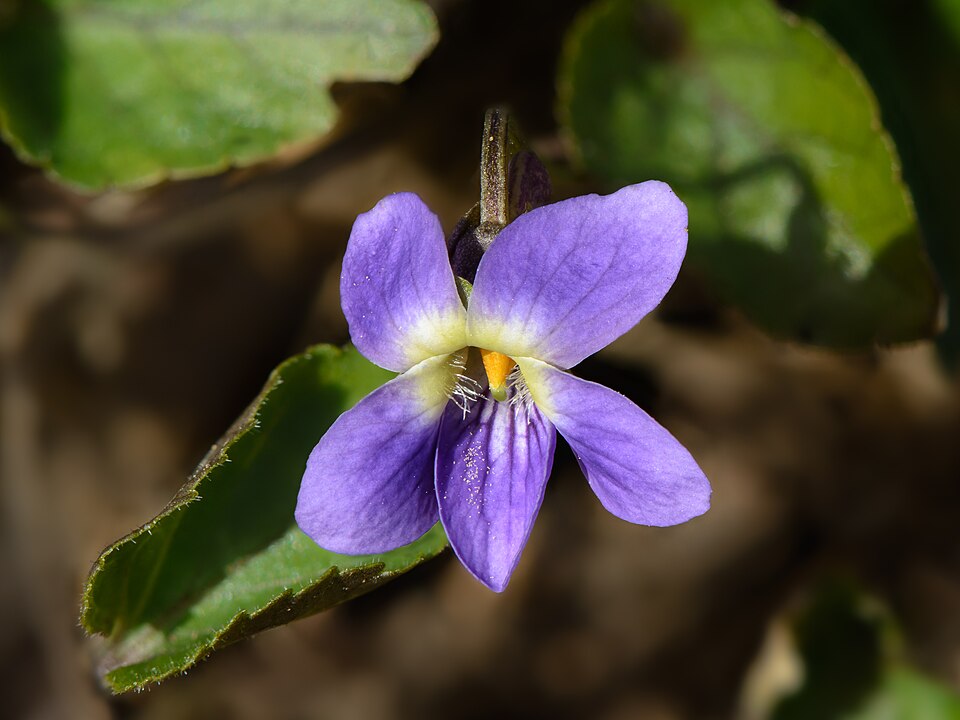
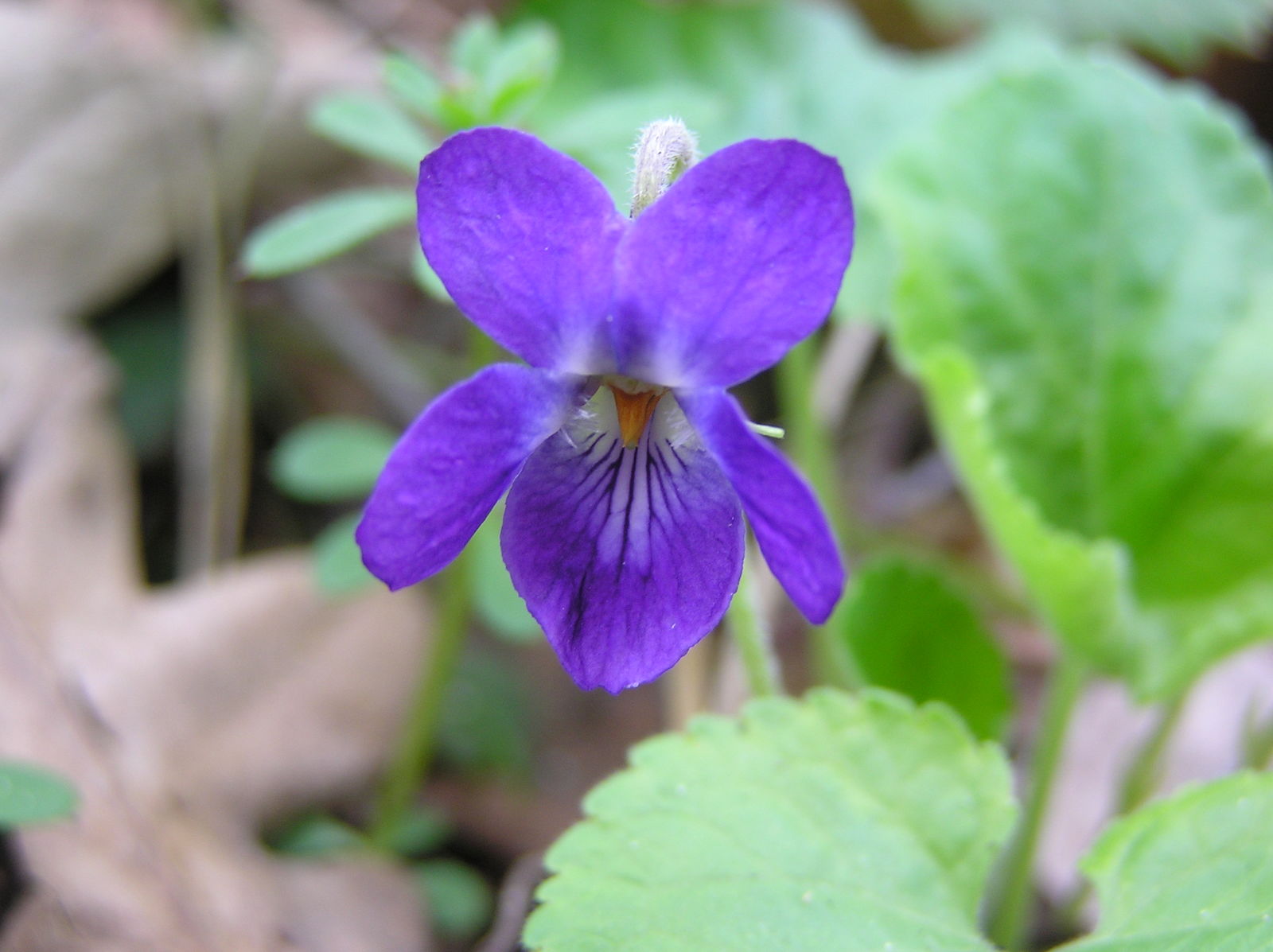
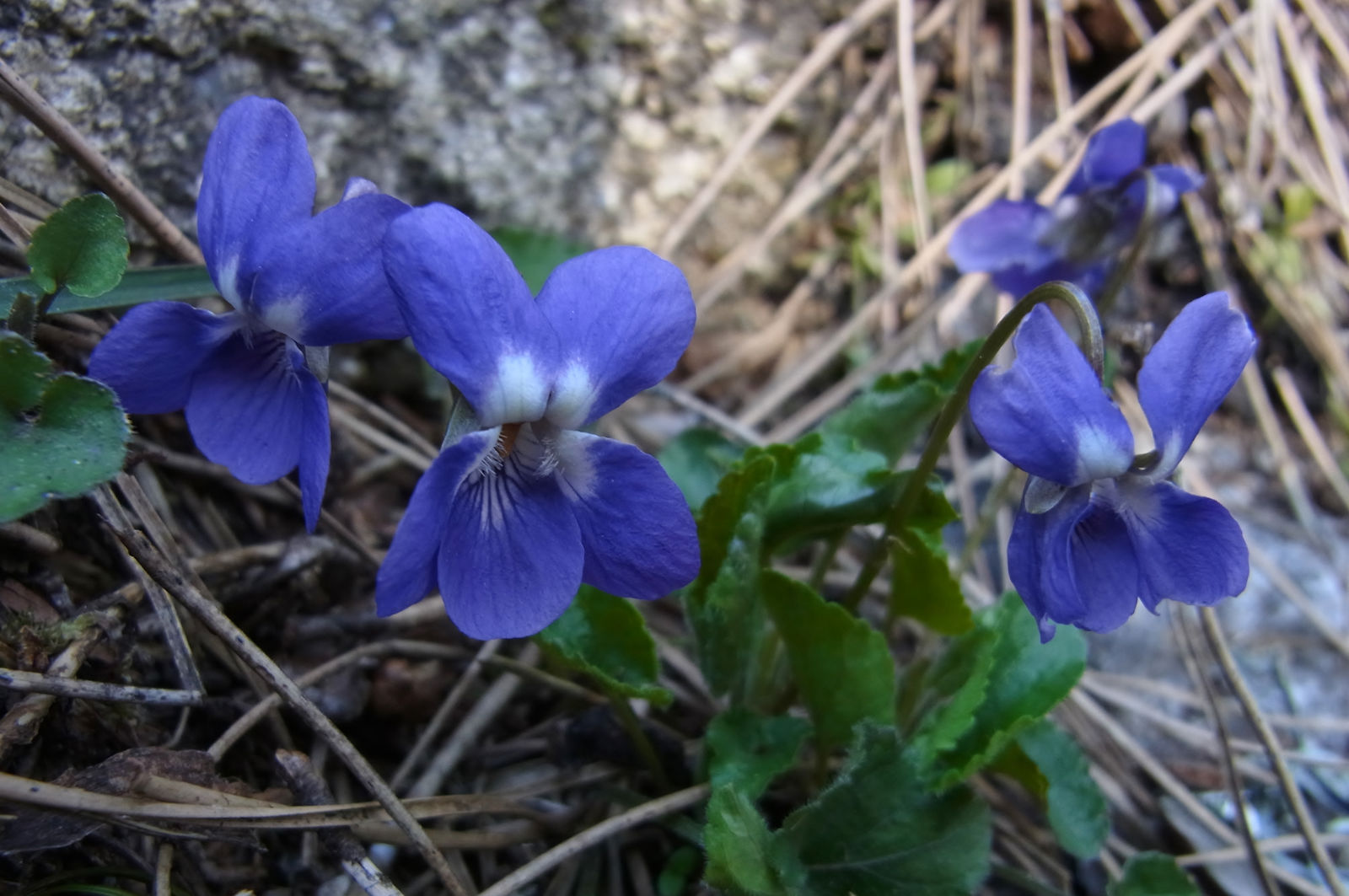
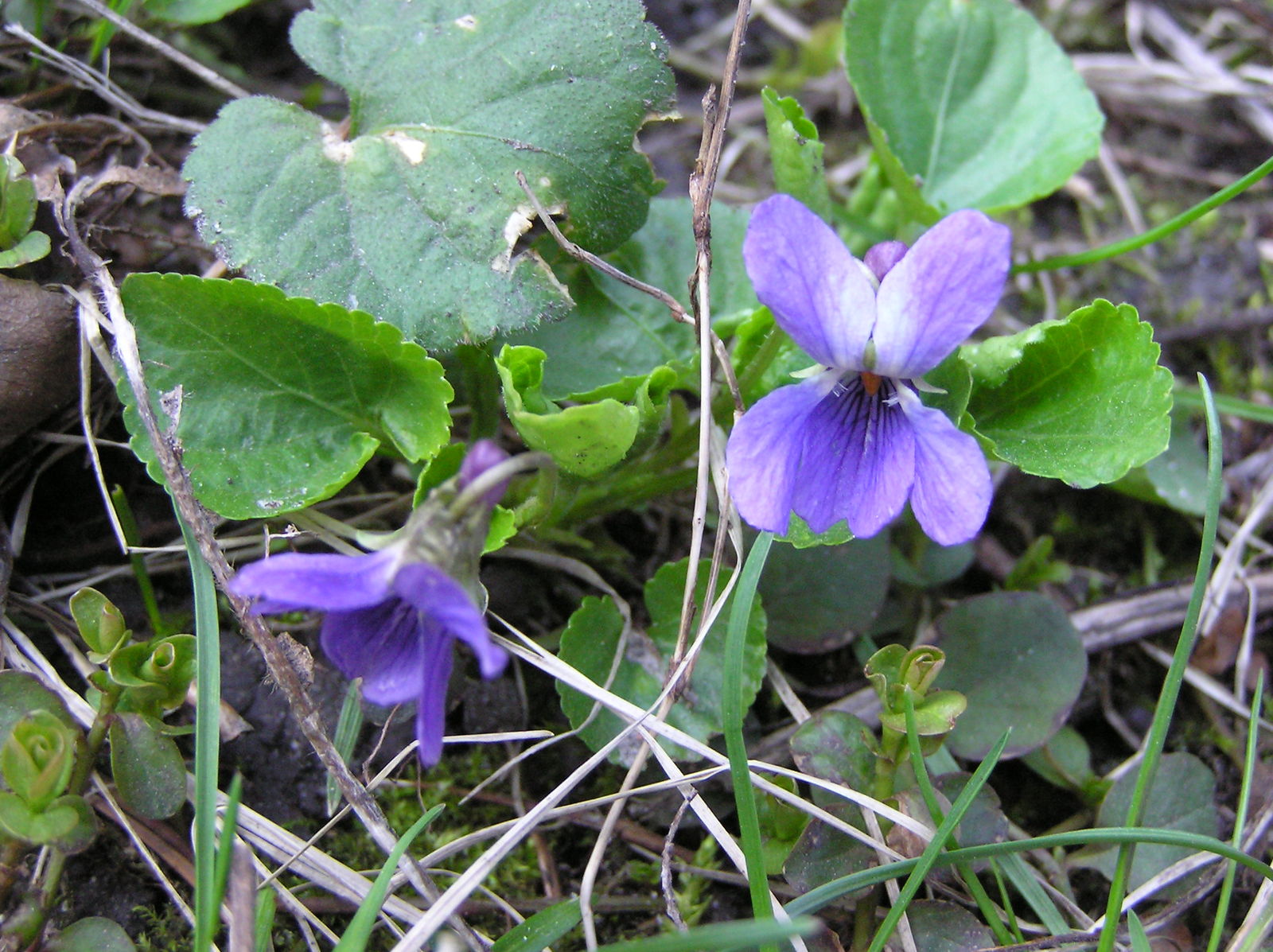

Viola odorata (Violet) leaf extract
AKA “violet leaf extract”
Extract
Ingredient Facts
Viola odorata (Violet) leaf extract
AKA: Violet leaf extract
Extract · Masking · EWG: 4
Plant-Derived
Extract
Not Clean
Viola odorata (violet) leaf extract is a cosmetic ingredient used as masking.
Family
Violaceae
Plant Part
Leaf
Lifeform
Perennial
Climate
Temperate
CAS #
90147-36-7
Form
Liquid
See origin →
Functions
Masking
Antimicrobial
Uv Protection
Provides scent
Traditional Use
Violet has been used in European folk medicine and classical Greco-Roman skincare for centuries as a soothing and clarifying ingredient. Medieval herbalists valued it for skin healing, and Victorian beauty practices incorporated violet for its mild astringent properties.
Skin Types
●all-skin-types
Best For
Soothing
Pregnancy & Breastfeeding Safe
Yes
Final Report on the Safety Assessment of Acid Violet 43
Cosmetic Ingredient Review (CIR) Expert Panel
International Journal of Toxicology
Final Report on the Safety Assessment of Basic Violet 1, Basic Violet 3 and Basic Violet 4
Cosmetic Ingredient Review (CIR) Expert Panel
International Journal of Toxicology
Final Report on the Safety Assessment of Disperse Violet 1
Cosmetic Ingredient Review (CIR) Expert Panel
International Journal of Toxicology
Final Report: Amended Safety Assessment of Acid Violet 43 as Used in Cosmetics
Cosmetic Ingredient Review (CIR) Expert Panel
International Journal of Toxicology
Acid Violet 43
European Commission
EU Cosmetic Ingredient Database (CosIng)
Disperse Violet 1
European Commission
EU Cosmetic Ingredient Database (CosIng)
Viola odorata (violet) leaf extract
European Commission
EU Cosmetic Ingredient Database (CosIng)
Final report on the safety assessment of Basic Violet 1, Basic Violet 3, and Basic Violet 4.
Diamante C, Bergfeld WF, Belsito DV, Klaassen CD, Marks JG Jr et al.
International journal of toxicology, 2009
Final report on the safety assessment of Basic Violet 1, Basic Violet 3, and Basic Violet 4.
Diamante C, Bergfeld WF, Belsito DV, Klaassen CD, Marks JG Jr et al.
International journal of toxicology, 2009
Final report on the safety assessment of Basic Violet 1, Basic Violet 3, and Basic Violet 4.
Diamante C, Bergfeld WF, Belsito DV, Klaassen CD, Marks JG Jr et al.
International journal of toxicology, 2009
Acid Violet 43
Environmental Working Group (EWG)
EWG Skin Deep Cosmetics Database
Basic Violet 1
Environmental Working Group (EWG)
EWG Skin Deep Cosmetics Database
Basic Violet 3
Environmental Working Group (EWG)
EWG Skin Deep Cosmetics Database
Basic Violet 4
Environmental Working Group (EWG)
EWG Skin Deep Cosmetics Database
Disperse Violet 1
Environmental Working Group (EWG)
EWG Skin Deep Cosmetics Database
Manganese Violet
Environmental Working Group (EWG)
EWG Skin Deep Cosmetics Database
Final report on the safety assessment of Acid Violet 43.
Fiume MZ
International journal of toxicology, 2001
Basic Violet 1
Health Canada
Health Canada Cosmetic Ingredient Hotlist
Basic Violet 10
Health Canada
Health Canada Cosmetic Ingredient Hotlist
Basic Violet 3
Health Canada
Health Canada Cosmetic Ingredient Hotlist
Solvent Violet 13
Health Canada
Health Canada Cosmetic Ingredient Hotlist
Occupational allergic contact dermatitis caused by epoxy diacrylate in ultraviolet-light-cured paint, and bisphenol A in dental composite resin.
Jolanki R, Kanerva L, Estlander T
Contact dermatitis, 1995
Potential Photoprotective Effect of Dietary Corn Silk Extract on Ultraviolet B-Induced Skin Damage.
Kim YH, Cho A, Kwon SA, Kim M, Song M et al.
Molecules (Basel, Switzerland), 2019
Enhanced Antioxidant and Protective Effects of Fermented Solanum melongena L. Peel Extracts Against Ultraviolet B-Induced Skin Damage.
Lee JH, Kim J, Jo YC, Jo YH, Jeong YH et al.
Nutrients, 2025
Formation and inhibition of N-nitrosodiethanolamine in cosmetics under pH, temperature, and fluorescent, ultraviolet, and visual light.
Lim DS, Lim SK, Kim MK, Kwon YC, Roh TH et al.
Journal of toxicology and environmental health. Part A, 2018
Protective Effects of Euphrasia officinalis Extract against Ultraviolet B-Induced Photoaging in Normal Human Dermal Fibroblasts.
Liu Y, Hwang E, Ngo HTT, Perumalsamy H, Kim YJ et al.
International journal of molecular sciences, 2018
Anti-senescence and anti-apoptotic effects of immature Citrus unshiu peel ethanol extract on ultraviolet B-irradiated skin keratinocytes.
Piao MJ, Kang KA, Fernando PDSM, Herath HMUL, Senavirathna HMMM et al.
Toxicological research, 2025
Screening and preparation of highly active antioxidant peptides of apricot and their inhibitory effect on ultraviolet radiation.
Zhu X, Zhang X, Wang Z, Ren F, Zhu X et al.
Food chemistry, 2025
Verified Jun 2026
Data: Kew POWO · CosIng · EWG · CIR